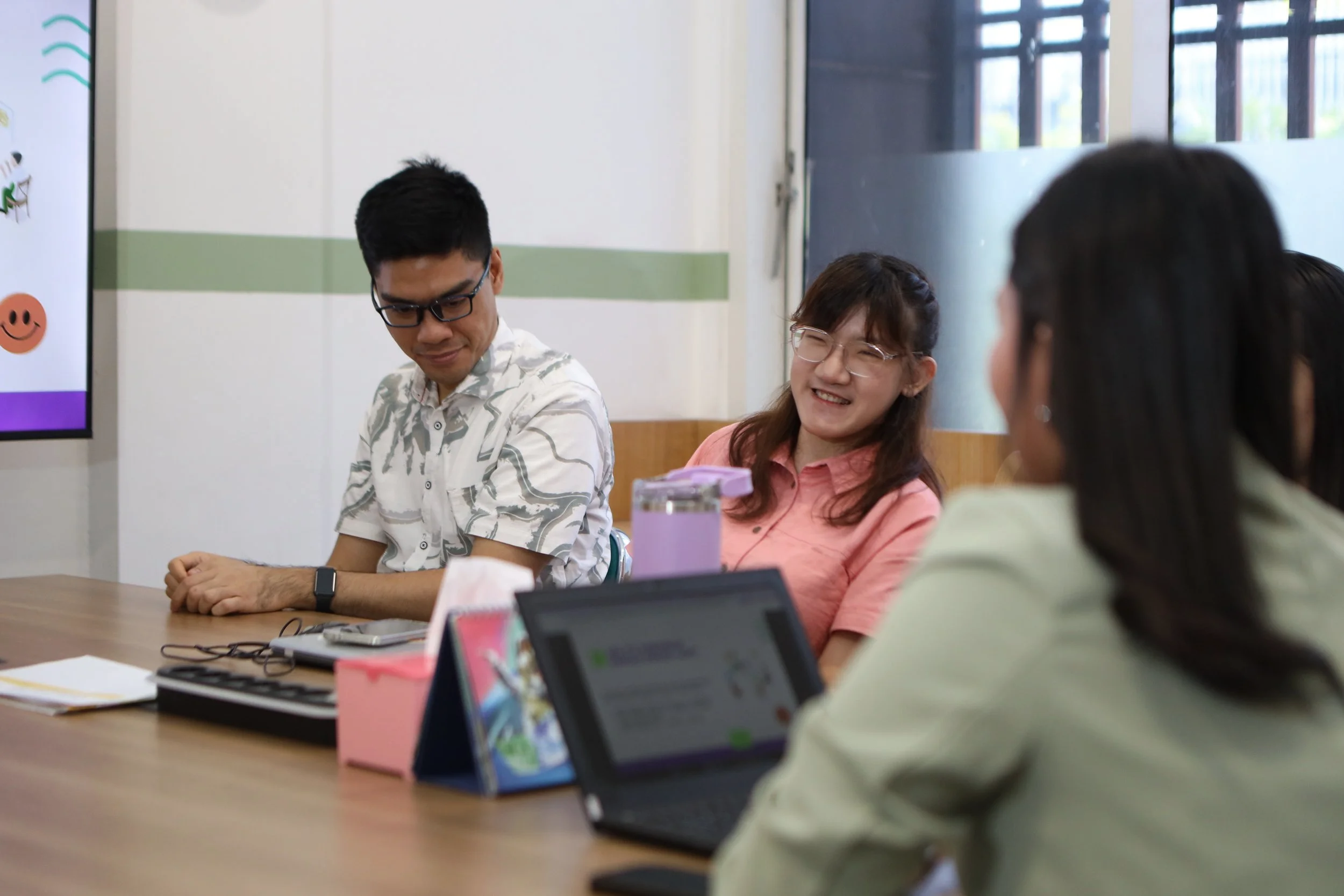
Empowering Independence for Neurodivergent Youth
Mandiri
A comprehensive life skill and work readiness program designed to help teens and young adults maximize their potential and thrive in an inclusive society.

Program Overview

PUPA Mandiri provides development programs for neurodivergent adolescents and adults (ages 16–25). Our primary goal is to prepare participants for independence in their daily lives, helping them optimize their personal potential and function effectively within the community.
Our curriculum is designed around key areas of development (Life Skill until Transition to Work) to ensure a holistic approach to independence
Basic Living Skills : Fundamental daily routines including self-control, communication, dressing, and personal hygiene
Home Skills : Essential household activities such as housekeeping, doing the dishes, and kitchen management
Community Participation Skills : Social interaction skills for public spaces, covering social awareness, manners, and shopping
Cognitive Skills : Basic knowledge support, including computer skills and general common knowledge
Independent Living Skills : Advanced independence training in self-care, organization, transportation, money management, and living with others.
Vocational Skills : Exploring and developing participant potential through various skills aligned with their abilities.
The PUPA Mandiri program is divided into three distinct stages, allowing participants to progress at a pace suitable for their condition. Each stage lasts approximately one year
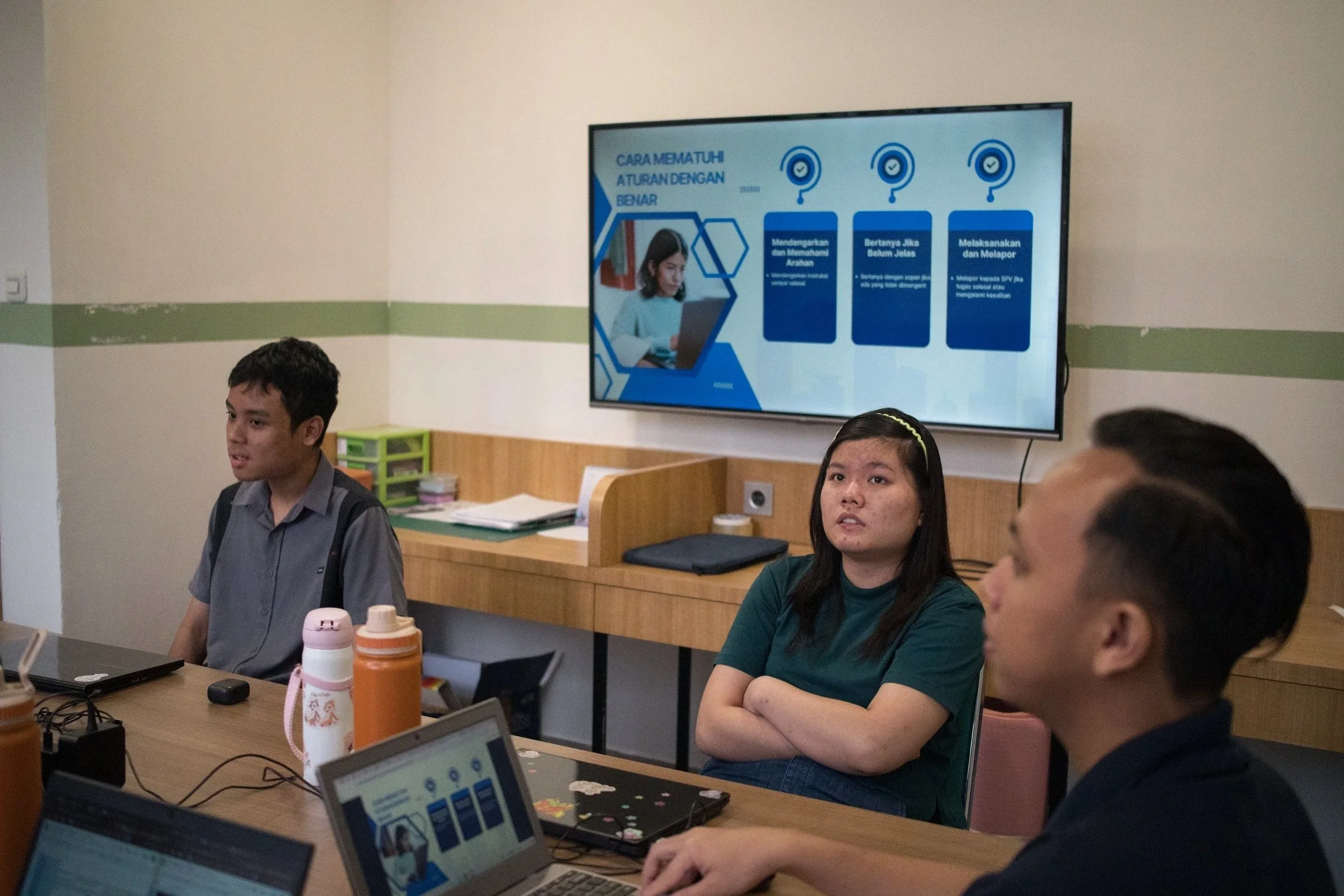

Our Path to Independence

Life Class
Designed as an Assisted Living stage with high support (2:1 ratio), this program builds the foundation of independence. Participants focus on Basic Living and Home Skills, engaging in activities like art, physical education, and essential literacy (money, time, and communication) to master daily routines.

Transition Class
Focused on Independent Living, this stage expands learning into the wider community with a 5:1 participant-supervisor ratio. The curriculum emphasizes Community Participation and School Skills, guiding participants through personal growth, problem-solving, self-care, and navigating public spaces confidently.

Independent Class
Our Transition to Work stage prepares young adults for professional environments with a 6:1 ratio. Participants develop Vocational and advanced Independent Living Skills, focusing on work simulations, complex money management, transportation, and the social dynamics of living and working with others.