
Executive functioning refers to a group of mental skills that help individuals organize, plan, manage tasks, regulate emotions, and adapt to daily situations. Many autistic and neurodivergent young adults experience challenges with executive functioning, which can affect routines, communication, learning, and independence.
Families sometimes notice executive functioning challenges in everyday situations. A young adult may understand what needs to be done, but struggle to begin a task, organize steps, manage time, or stay focused. Others may become overwhelmed when routines change unexpectedly.
Executive functioning includes skills such as:
- Planning and organization
- Task initiation
- Time management
- Emotional regulation
- Working memory
- Flexible thinking
- Problem-solving
- Self-monitoring
These challenges are often misunderstood as laziness, lack of motivation, or unwillingness to cooperate. In reality, executive functioning difficulties can significantly affect a person’s ability to manage daily expectations.
For example, preparing to leave the house may involve many small steps: choosing clothes, gathering belongings, managing time, and remembering schedules. Tasks that seem simple to others may require significant mental effort for neurodivergent individuals.
Structured support can help reduce overwhelm. Visual schedules, routines, reminders, checklists, timers, and step-by-step instructions are often useful strategies. Breaking larger tasks into smaller manageable parts can also improve participation.
Emotional regulation is another important area connected to executive functioning. Changes in plans, unexpected situations, or sensory overload may affect a person’s ability to manage stress and transitions.
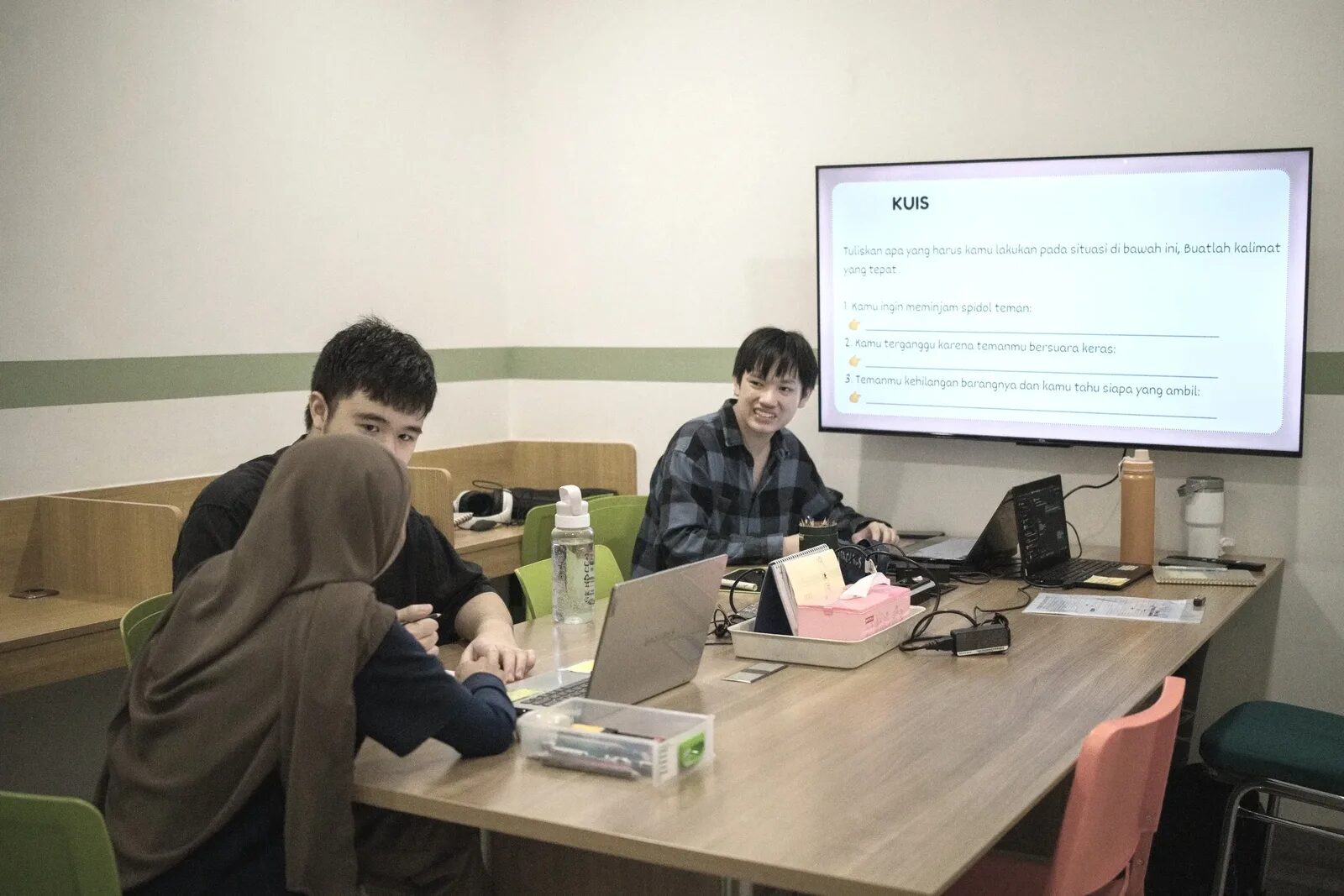
At PUPA Center, executive functioning support is integrated into structured learning experiences, routines, and practical activities. Participants are encouraged to gradually practice planning, communication, responsibility, flexibility, and task completion in supportive environments.
Families can also support executive functioning at home by maintaining predictable routines, simplifying instructions, and allowing additional processing time when needed.
It is important to recognize that executive functioning skills often continue developing throughout adolescence and adulthood. Progress may happen gradually, especially when individuals are given supportive environments and realistic expectations.
Understanding executive functioning challenges can help families approach support with greater patience and empathy. Rather than focusing only on outcomes, it can be helpful to understand the underlying processes that affect participation and daily functioning.