
Independence is one of the most common long-term goals families have for autistic teenagers. Many parents hope their children will eventually become more confident, responsible, and capable of managing aspects of daily life independently. However, independence is not something that develops automatically with age. It is often built gradually through consistent practice, support, and real-life experiences.
For autistic and neurodivergent teens, independence can look different for every individual. Some teenagers may begin practicing self-care routines and time management, while others may focus on communication, emotional regulation, or social participation. The goal is not perfection, but gradual progress over time.
One of the most effective ways to support independence is by involving teenagers in daily routines at home. Simple activities such as preparing snacks, organizing belongings, helping with household chores, managing personal schedules, or following routines independently can help build confidence and responsibility.
Consistency is especially important. Predictable routines often reduce anxiety and make expectations easier to understand. Visual schedules, step-by-step instructions, reminders, and checklists can help autistic teens manage tasks more independently.
Communication is another important area of development. Encouraging teenagers to express preferences, ask questions, request help, and participate in discussions about their routines can strengthen self-advocacy skills. These experiences can later support participation in social, community, and workplace environments.
Executive functioning skills also play a major role in independence. Executive functioning includes planning, organization, emotional regulation, task initiation, flexibility, and time management. Many neurodivergent teens experience challenges in these areas, which can affect daily routines and responsibilities.
Families can support executive functioning by breaking larger tasks into smaller steps, practicing routines repeatedly, and creating structured environments that reduce unnecessary overwhelm.
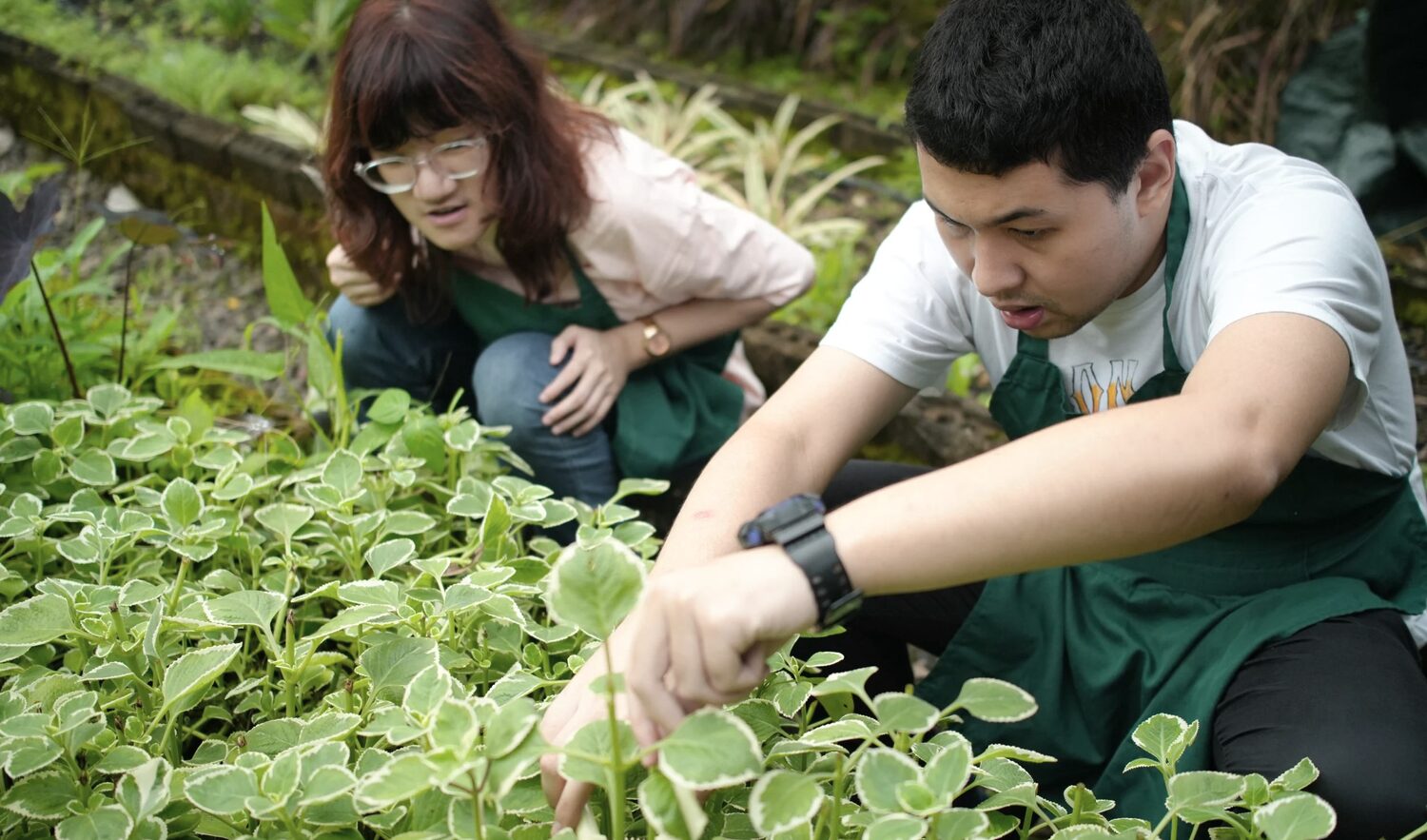
Community participation is another valuable component of independence-building. Opportunities to participate in group activities, workshops, social environments, or collaborative projects can help teenagers practice communication, teamwork, adaptability, and confidence outside the home.
PUPA Mandiri, independence-building is approached through structured experiences that focus on life skills, communication, vocational readiness, and community participation. Rather than emphasizing quick results, the focus is placed on gradual skill development through practical and meaningful activities.
Parents should also remember that independence does not mean complete isolation or the absence of support. Many adults continue relying on different forms of guidance and support systems throughout life. Independence can simply mean having increased confidence, greater participation, and the ability to manage more aspects of daily life over time.
Celebrating small progress is important. Learning to prepare a meal, communicate a need clearly, manage a schedule, or complete a task independently are all meaningful achievements that contribute to long-term growth.
Building independence is a journey that develops over many years. With patience, consistency, and supportive opportunities, autistic teens can continue building the skills and confidence needed to participate more actively in adult life.