Vocational readiness is an important part of preparing neurodivergent young adults for adulthood and community participation. While employment outcomes may look different for every individual, workplace-related experiences can help build confidence, communication skills, responsibility, and independence.
For many autistic and neurodivergent young adults, workplace environments can feel unfamiliar and overwhelming. Challenges may include adapting to new routines, managing expectations, communicating with coworkers, handling sensory environments, or coping with unexpected changes.
Because of this, vocational readiness often works best when introduced gradually through structured learning experiences and supportive environments.
Vocational readiness is not only about teaching technical job skills. It also involves developing soft skills and daily habits that support participation in workplace and community settings.
Examples of vocational readiness skills include:
- Following routines and schedules
- Arriving on time
- Completing tasks consistently
- Communicating with peers and supervisors
- Practicing teamwork
- Managing emotions and stress
- Following instructions
- Building responsibility and consistency
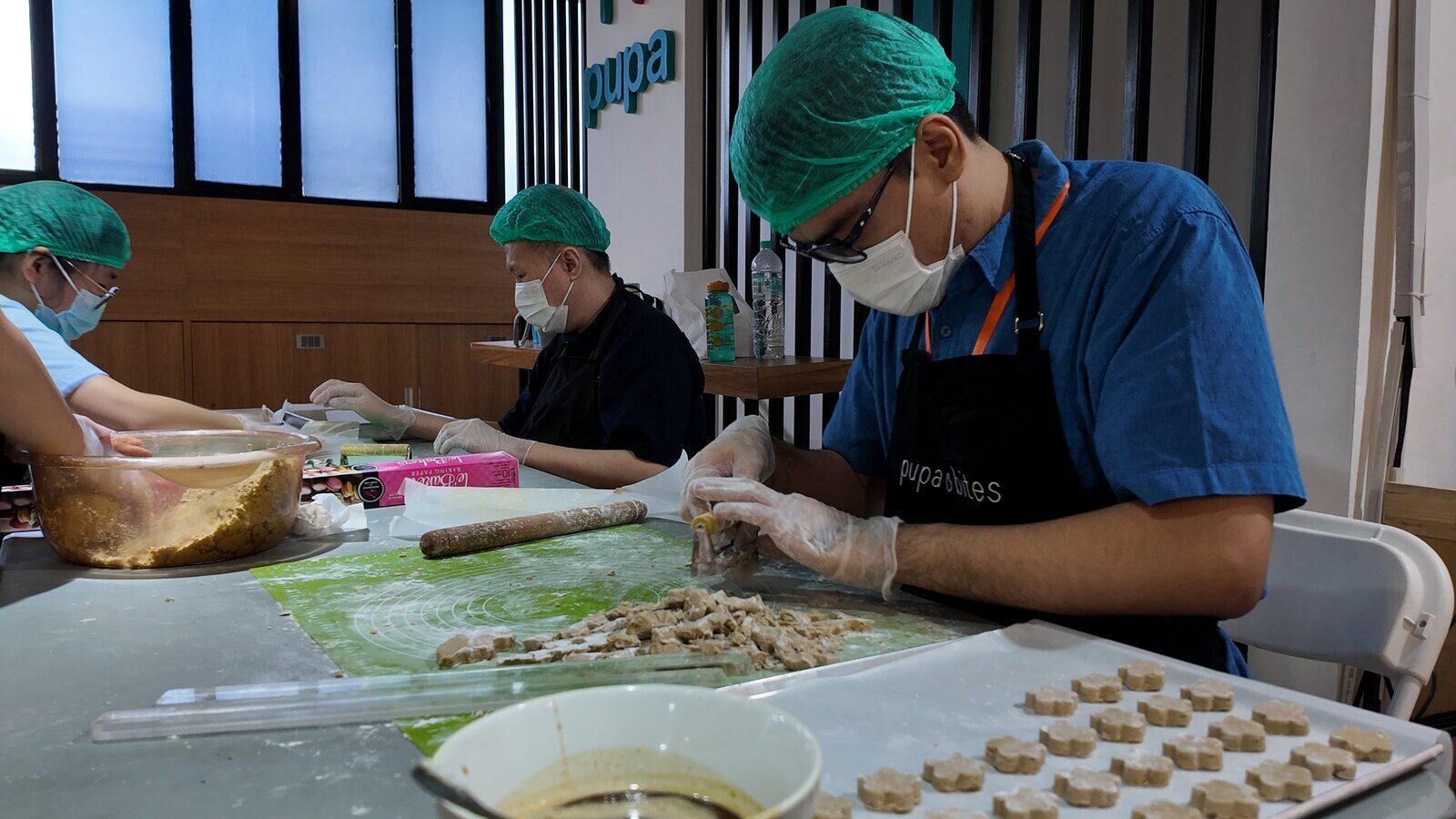
Many neurodivergent young adults benefit from hands-on learning approaches. Real-life practice, guided activities, role-playing, and supported workplace simulations can help participants become more comfortable with expectations and routines.
It is also important to recognize that vocational pathways should be personalized. Some individuals may thrive in highly structured environments with repetitive tasks, while others may prefer creative, practical, or social activities. Understanding strengths, interests, and support needs is essential.
PUPA Karya, vocational readiness is integrated into structured programs designed to support adult development and independence. Through guided activities, practical experiences, and community-based learning opportunities, participants are encouraged to gradually develop confidence and workplace-related habits.
Families sometimes feel pressure to focus only on employment outcomes. However, vocational development is often a long-term process. Progress may include improved communication, stronger routines, increased responsibility, better emotional regulation, or greater confidence in participating outside the home.
Work readiness can also begin with small responsibilities in daily life. Managing personal schedules, completing household tasks, following routines, or participating in collaborative activities can help reinforce habits that are valuable in workplace settings.
Community participation is another important aspect of vocational growth. Social interactions, volunteering experiences, group projects, and supported activities can help young adults practice flexibility, communication, and confidence in real-world environments.
In Indonesia, vocational pathways for autistic and neurodivergent young adults are still developing. This makes structured support programs increasingly valuable for families navigating adulthood transitions.
With appropriate guidance, practical experiences, and supportive environments, neurodivergent young adults can continue developing toward greater independence, participation, and confidence in adult life.