For many families, a high school diploma is a threshold — the doorway to independence, work, and adulthood. For autistic and neurodivergent young adults, though, the years just after school often feel different: uncertain, even overwhelming. And from parents, one question tends to return again and again — what comes next, and how can my child keep growing once the classroom is behind them?
In Indonesia, structured pathways for autistic young adults after formal education remain limited. School, for years, supplies routine, social interaction, and structured learning; when it ends, families often meet a sudden void. Without consistent activities and support, some young adults spend most of their days at home, with few chances to practice independence or take part in their community.
Yet the transition to adulthood is about far more than employment. Adult life asks for communication, daily routines, emotional regulation, responsibility, decision-making, social participation, and self-confidence — capacities that tend to grow slowly, through repeated practice and real experience.
One of the hardest parts of life after high school is holding on to meaningful structure. Many autistic young adults draw strength from predictable routines and guided activity; when those disappear overnight at graduation, confidence, motivation, and emotional wellbeing can waver with them.
Families, too, can struggle to name the right next step. Some young adults are ready for a work-readiness program; others first need to strengthen communication, executive functioning, social participation, or independent-living skills before stepping into a workplace. This is precisely where transition-focused programs prove their worth — programs that weave together life skills, social participation, and vocational readiness within one supportive environment.
At PUPA Mandiri, the aim is not employment outcomes alone, but the growth of confidence, autonomy, and meaningful participation in adult life. Through a sequence of programs — PUPA Mandiri, PUPA Karya, and PUPA Access — participants are introduced, step by step, to daily living skills, work readiness, communication, and community-based experience.
For many families, the most important realization is simply this: adulthood does not look the same for everyone. Success should never be measured only by academic achievement or a conventional career. A meaningful adult life might take the shape of vocational engagement, creative interests, supported work, community participation, social relationships, or a growing independence in the small tasks of every day.
Preparation, too, can begin long before graduation. Inviting a young person to share household responsibilities, manage a schedule, practice communication, look after their belongings, or use public transport all build confidence over time. Transition planning works best when it is gradual and realistic — small everyday experiences often matter more to long-term growth than a sudden expectation of independence.
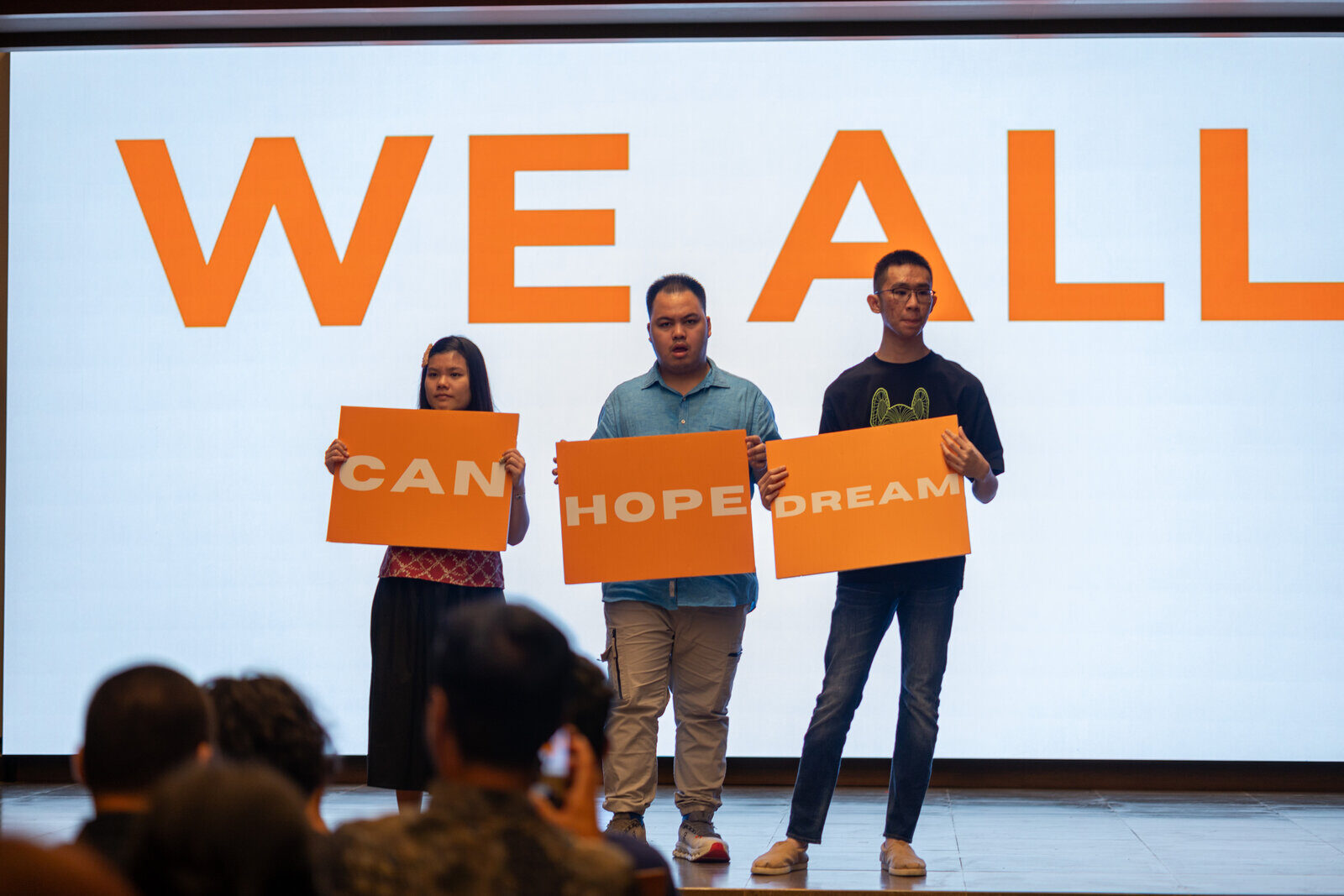
The years after high school can feel uncertain. But with supportive environments, structured opportunity, and patient guidance, they can also become an important season of growth — a time when autistic and neurodivergent young adults keep building adult lives that reflect their strengths, their interests, and their own individual needs.